Floral Watercolor Elements: A Classic Design Resource Revived
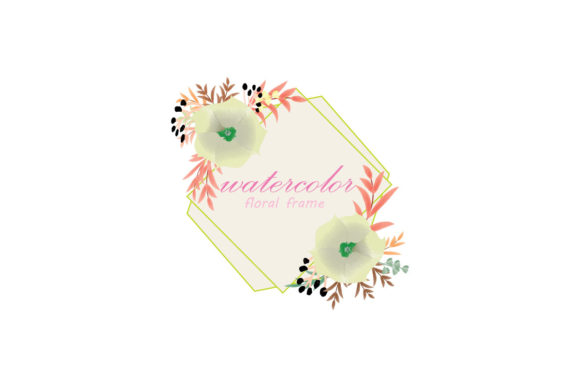
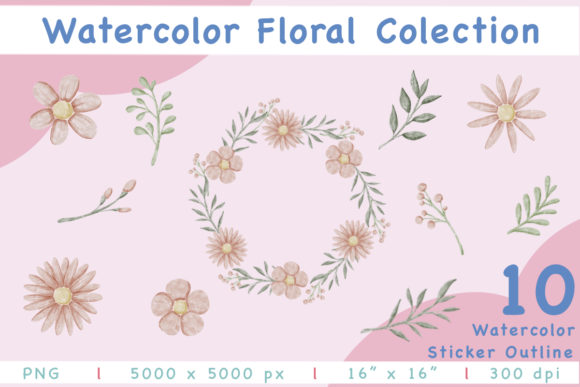
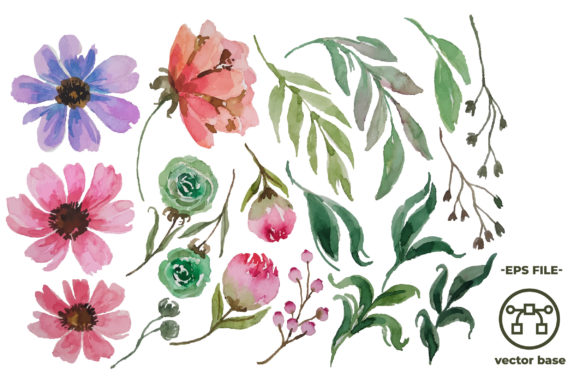
If you’ve ever admired the soft, dreamy look of a watercolor painting but needed a digital graphic that’s crisp and scalable, then you’ve encountered the need for Floral Watercolor Elements. This term refers to original, hand-painted floral illustrations that have been carefully digitized and converted into vector formats like EPS, often using software like Adobe Illustrator CS6. The result is a beautiful blend of classic, retro artistry and modern digital utility.
Beyond Paint and Paper: The Practical Magic of Vector Conversion
Imagine a delicate rose painted with real watercolors. Its edges bleed softly, the colors blend organically. That original artwork possesses a unique charm. But for a graphic designer, using a physical scan of that painting on a website or a large poster presents problems—it can pixelate, it’s difficult to resize, and editing colors is nearly impossible. The conversion process solves this. Artists and digitizers trace or recreate the artwork in a vector program. This transforms the floral watercolor element from a static image into a set of mathematical paths and shapes.
The key file you often get, the “-1 eps ai cs6 base,” signifies a foundational vector file editable in older and newer software, maintaining its quality infinitely. This means you can scale that single rose from a tiny icon on a business card to a massive backdrop for a storefront sign without any loss of detail. The aesthetic remains classic and painterly, but the functionality becomes powerfully modern.
Where the Bloom Meets the Real World: Unexpected Use Cases
You might think floral watercolor vectors belong only to wedding invites, but their application is far broader. The inherent warmth and organic feel of these elements make them versatile tools for adding a touch of human-made beauty to digital spaces.
- Branding for “Human-First” Businesses: A wellness coach, an independent ceramicist, or a small-batch tea company might use these elements in their logo suite or website graphics. The watercolor style subtly communicates craftsmanship, natural ingredients, and personal care, distancing the brand from cold, corporate aesthetics.
- Digital Publishing and Blogging: Content creators use floral watercolor elements as subtle, non-distracting blog post dividers, featured image overlays, or custom social media graphics. They help establish a gentle, inviting visual tone for lifestyle, gardening, or personal development blogs.
- Product Packaging and Labels: Even for digital mockups or final print files, a watercolor floral border or accent on a label for honey, handmade soap, or stationery can elevate the product’s perceived value. It suggests artistry and attention to detail.
- Personal Projects with Professional Polish: An individual creating a memory book for a family reunion, designing a fundraiser flyer for a community garden, or producing custom thank-you cards can use these vectors. They offer a level of beautiful design that might be hard to achieve with standard clip-art, without requiring the user to be a painter.
Different Audiences, Different Benefits
How you benefit from floral watercolor elements depends entirely on your role and goals.
For the busy small business owner, these resources are a time-saving design solution. They can purchase a well-made EPS file and, with some basic software knowledge, adapt it to their needs—change colors to match their brand, resize it for various applications, and integrate it consistently across materials. It’s like having a professional botanical illustrator on retainer, but at a one-time cost.
For the graphic designer or digital artist, these vectors serve as high-quality base components. They can be deconstructed, layered, mixed with other elements, and textured to create entirely new compositions. The classic retro feel provides a starting point with inherent style, which the designer can then push into contemporary or eclectic directions.
For the hobbyist or creative enthusiast, accessing these elements opens up a world of decorative possibility. They might use them in digital scrapbooking, to create custom wall art for their home using a print-on-demand service, or to design unique gifts. The vector format empowers them to experiment with size and layout freely, which a fixed-resolution image would not allow.
Considerations Before You Download or Apply
While floral watercolor elements are incredibly useful, a few practical observations can ensure you get the best results.
First, pay attention to the file’s complexity and style. Some vector files keep the loose, blotchy watercolor feel perfectly, with transparent overlaps and textured paths. Others might be cleaner, more simplified interpretations. Look for examples of the file used at large sizes to see if it retains the painterly quality you love. The “original” and “classic” descriptors are key—you want the authentic feel, not a stiff, digital imitation.
Second, understand your software compatibility. An EPS file from an AI CS6 base is widely compatible, but if you only use a simple online editor, you might need a converted PNG or SVG. Check what formats you can actually work with. The strength of the vector is its editability in vector programs; if you can’t open it in such software, you’re locking its potential.
A potential limitation lies in style matching. Because these elements carry such a distinct, soft, and often retro personality, they can clash with a very minimalist, sharp, or futuristic design scheme. They are a strength when you want to convey warmth, nature, or artistry, but could be a weakness if your core brand message is about cutting-edge technology or stark efficiency.
From Single Element to Complete Atmosphere
The most creative applications don’t just drop a floral watercolor element onto a page. They build an atmosphere. For instance, a website for a boutique hotel might use a large, subtle watercolor magnolia as a background texture for its “About Us” page. Then, smaller vector leaves from the same set could be used as decorative bullets for their list of amenities. The same color palette from the flower could inform button highlights. This creates a cohesive, immersive experience that feels thoughtfully designed and genuinely inviting.
Another observation is in the world of digital marketing. In an era of highly polished, often impersonal ads, a social media ad for a yoga studio that uses a flowing watercolor lotus element can instantly stand out. It feels less like an interruption and more like an invitation. It leverages the element’s organic beauty to forge an emotional connection before the user even reads the text.
Ultimately, floral watercolor elements bridge a gap. They satisfy our human appreciation for the imperfect beauty of hand-painted art and our practical need for flawless, adaptable digital graphics. Whether you’re building a brand, decorating a personal project, or seeking creative inspiration, they offer a classic tool that, thanks to vector conversion, is perfectly suited for the modern world.