The Artistic and Practical World of Watercolor Floral Leaf Clip Art
The digital creative space is enriched by a vast library of assets, but few offer the blend of organic charm and versatile utility found in watercolor floral leaf clip art. This distinctive style, characterized by its soft washes, gentle blends, and naturalistic forms, has moved beyond traditional canvases to become a cornerstone resource for digital projects. Understanding its characteristics, the practical advantages of high-quality files like those offered in JPG and PNG formats at 4100 x 4100 pixels with 300dpi, and its myriad applications reveals why this art form is so valued across diverse fields.
Core Characteristics of the Watercolor Floral Style
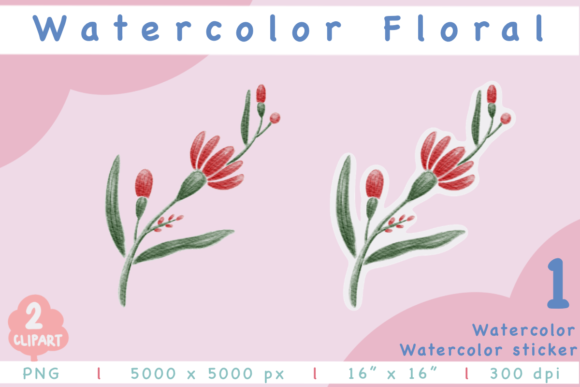
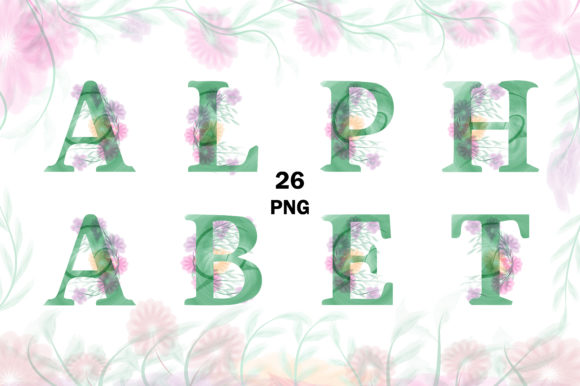
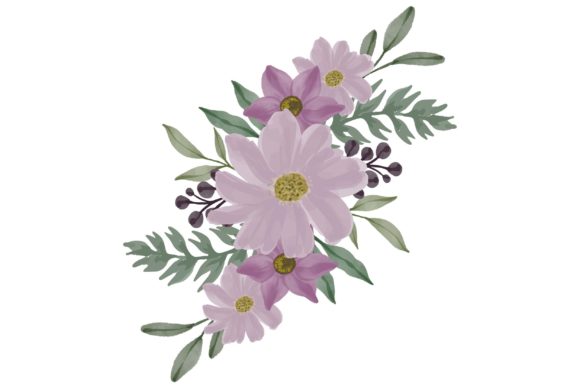
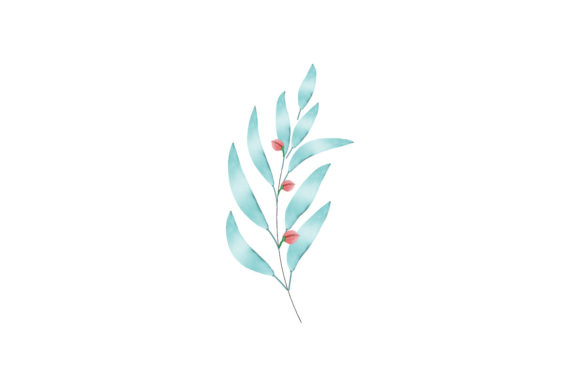
At its heart, watercolor floral leaf clip art captures the essence of botanical subjects through a specific artistic technique. The visual hallmark is transparency. Layers of color build up to create depth while allowing a sense of lightness, unlike flat vector graphics. Edges are often soft, with beautiful blooms and gradients where colors meet, mimicking the natural fluidity of watercolor paint on paper. The floral and leaf motifs themselves range from realistic depictions of specific species like roses or maple leaves to more whimsical, abstract botanical shapes, offering a wide spectrum of thematic tones.
This aesthetic achieves a unique balance. It carries an artistic, hand-crafted feel that adds warmth and personality, yet when executed as clean digital clip art, it remains polished and professional. The choice of color palette within a set—whether muted pastels, vibrant jewel tones, or earthy naturals—further defines its mood, making a single collection of watercolor leaf clip art adaptable for projects from serene wellness blogs to lively spring festival promotions.
Technical Specifications and Their Direct Impact
A crucial aspect that transforms beautiful art into a practical asset is its technical delivery. When a resource includes elements in both JPG and PNG formats at 4100 x 4100 pixels with a resolution of 300 dots per inch (dpi), it speaks to professional-grade utility. The massive pixel dimensions ensure that the artwork is inherently high-resolution. This means an image can be scaled down significantly for web use while retaining crisp detail, or it can be used at or near its full size for large-format printing without loss of quality.
The 300dpi specification is the gold standard for print media. For a business owner creating packaging, a wedding planner designing invitations, or an educator making classroom posters, this ensures the printed output will be sharp and clear. The inclusion of both JPG and PNG formats addresses different workflow needs. JPG files are excellent for photographic-style images with complex color blends, like watercolor art, and are typically smaller in file size. PNG files, however, support transparency with an alpha channel, allowing the floral leaves to be placed over any background without a white box around them, a vital feature for layered digital designs.
Primary User Groups and Their Applications
The utility of watercolor floral leaf clip art extends to an exceptionally broad audience, each applying it within their unique context.
Creative Professionals and Digital Designers
Graphic designers, web designers, and illustrators use these assets as foundational or accent elements. They might integrate a scattering of watercolor leaves into a website header, use them as decorative borders in a branding presentation, or combine multiple elements to create a complex botanical background. The PNG format's transparency is indispensable here, enabling seamless compositing. The high resolution allows for experimentation in large-scale digital canvases without limitation.
Content Creators and Marketers
Bloggers, social media influencers, and marketing specialists leverage this art to elevate visual content. A watercolor floral leaf can serve as a recurring theme in a brand's visual identity, adding a consistent, aesthetic touch to blog post graphics, email newsletters, and promotional banners. Its organic feel is particularly effective for niches related to wellness, beauty, nature, lifestyle, and crafts, helping to create an immediate emotional connection with the audience.
Educators and Workshop Leaders
In educational materials, whether for physical handouts or digital slides, visual appeal enhances engagement. Teachers might use these illustrations on worksheets about botany or seasons. Coaches and workshop facilitators can incorporate them into presentation decks and course certificates to add a touch of elegant, non-distracting decoration. The scalable nature means the same file works for a small PDF and a large classroom display.
Small Business Owners and Entrepreneurs
For entrepreneurs crafting their own branding, pre-made high-quality art is a cost-effective solution. Watercolor floral leaf clip art can become part of a logo, product label, menu design for a cafe, or the decor pattern on a website for a boutique. The artistic quality helps small businesses project a refined, custom image without the upfront cost of commissioning an original illustration.
Crafters and Hobbyists
The DIY community finds immense value in these digital files for physical projects. Using the high-resolution 300dpi files, hobbyists can print the artwork onto transfer paper for fabric, incorporate it into scrapbooking, or use it to create custom greeting cards, stickers, and home decor items. The large file size guarantees that even when printed, the delicate watercolor details remain intact.
Advantages and Workflow Considerations
Integrating such clip art into a project offers several clear advantages. Firstly, it provides instant aesthetic enhancement. A well-chosen watercolor element can elevate a design from plain to polished in moments. Secondly, it offers significant time efficiency. Creating original watercolor illustrations digitally requires skill and time; using curated clip art allows creators to focus on layout and composition. Thirdly, the flexibility from file formats is a key operational benefit. Having both JPG and PNG versions means one asset pack can serve almost any project need, from a photo-editing software workflow (often favoring JPG) to a layered graphic design project in software like Adobe Photoshop or Canva requiring transparency (PNG).
When working with these files, some practical considerations ensure optimal results. Always start by using the high-resolution master file. Scale down as needed for your specific output medium—web graphics rarely need the full 4100 pixels. Understand your software's requirements: if you need to remove a background, the PNG is your choice. For simple placement where the background isn't an issue, the JPG may suffice. Organizing your digital assets, such as the watercolor floral leaf clip art collections from providers like Desis Design, into a well-labeled library can streamline future creative processes.
Trends and The Evolution of Digital Art Resources
The demand for resources like this reflects broader trends in design and content creation. There is a growing preference for art that feels human-made and authentic amidst a digital world, which explains the popularity of watercolor, brushstroke, and other tactile styles. Furthermore, the expectation for multi-format, high-resolution assets has become standard, as creators work across print, web, and social media platforms simultaneously. The phrase "Stay connected for more digital artwork" points to this evolving landscape where designers and studios continuously update their offerings to meet new aesthetic trends and technical requirements, encouraging users to build a lasting resource library.
The watercolor floral leaf clip art, especially in the described high-quality format, is not merely a decorative image. It is a versatile, professional-grade component that bridges the gap between traditional artistry and modern digital application. Its value lies in its dual nature: the ability to convey soft, natural beauty while possessing the technical robustness required for everything from a smartphone screen to a large poster. This combination makes it a persistently relevant and helpful tool for anyone looking to infuse their projects with accessible, elegant, and effective visual storytelling.