The Orange Floral Frame Collection: A Versatile Asset for Modern Creation
In the realm of digital design assets, certain collections stand out not merely for their aesthetic appeal but for their profound utility and adaptability. The Orange Floral Frame Collection, accompanied by its central illustration of an arrangement watercolor floral, represents such a resource. This particular artwork transcends the label of a simple graphic; it is a foundational element for a multitude of creative and commercial endeavors. Its availability in multiple file formats—.EPS 10, .JPG, and .PNG—is a critical feature that unlocks its potential across different mediums and production methods.
Understanding the Core Illustration
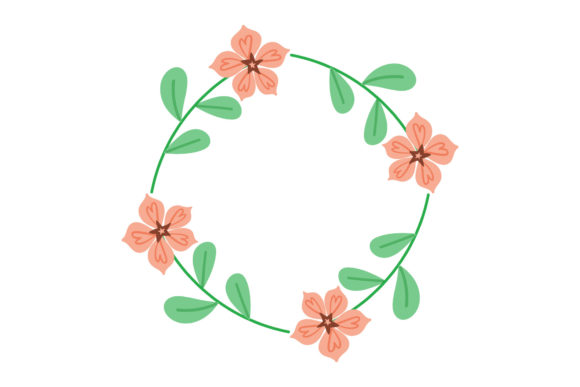
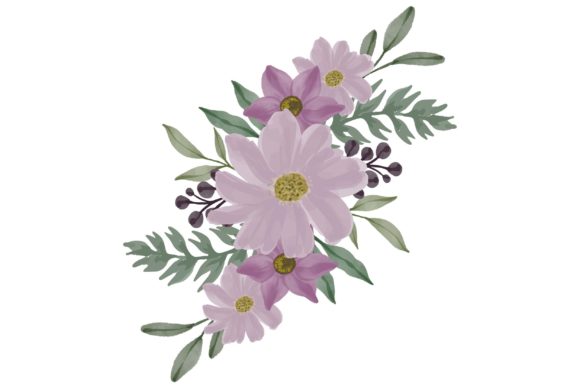
The illustration itself is a watercolor floral arrangement framed within a cohesive design. The choice of orange as a dominant hue is strategic, evoking warmth, energy, and a touch of vintage charm that is currently popular across design trends. The watercolor technique lends the artwork a soft, organic, and slightly imperfect texture, which is highly desirable for projects seeking to avoid a sterile, overly digital look. This artistic style imbues the graphic with a sense of hand-crafted authenticity, a quality that resonates strongly with contemporary audiences.
From a technical perspective, the vector-based .EPS 10 format is perhaps the most powerful component of the collection. This file type allows for infinite scaling without any loss of quality. A designer can enlarge the floral frame to cover a large banner or reduce it to fit a postage stamp-sized logo, all with perfect clarity. This scalability is indispensable for professional applications where consistency across vastly different sizes is required. The .JPG format provides a high-quality raster image suitable for most digital contexts where a smaller file size is beneficial, such as web use or quick previews. The .PNG format, often with a transparent background, offers immense flexibility for layering the floral design over other images, textures, or colored backgrounds without a white or colored bounding box interfering with the composition.
Primary Applications in Design and Commerce
The real-world relevance of this collection is best demonstrated through its application spectrum. These are not hypothetical uses; they are current, practical implementations observed across industries.
- Wall Decor and Personalization: The floral frame is naturally suited for creating wall art. It can be printed as a standalone piece, incorporated into a gallery wall layout, or used as a repeating pattern for custom wallpaper. The orange tones can energize a space while the floral motif brings in a natural element.
- Stationery and Event Crafting: For invitations, cards, and announcements, the frame provides an instant elegant border. Designers use the vector file to seamlessly integrate text within the frame for wedding invites, birthday cards, or corporate event announcements. The watercolor feel elevates the perceived value of the stationery.
- Merchandise and Product Design: This is where the format variety proves essential. The .EPS file is sent to manufacturers for imprinting on fabrics for dresses or linens. The .PNG with transparency is layered onto mockups for mugs, tee-shirts, and tote bags. A hobbyist might use the .JPG for a one-off, heat-pressed creation on a garment. The same core asset drives an entire line of branded merchandise.
- Digital Media and Branding: Website designers utilize the graphic as a background element, a header decoration, or as part of a logo suite. Social media managers crop sections of the frame for consistent post borders or profile picture accents. Educators might incorporate it into presentation slides or course materials to add visual interest.
The Strategic Advantages of a Multi-Format Collection
Owning a collection that includes different file types is a significant advantage over sourcing individual, format-specific graphics. It streamlines the workflow for creators, whether they are professionals in a design agency or small business owners managing their own branding.
First, it reduces friction in the adaptation process. A project might begin in digital space (using the PNG for a website mockup) and then move to physical production (using the EPS for silk-screen printing). Having all formats on hand prevents the need for costly or time-consuming file conversion, which can sometimes degrade quality or alter colors.
Second, it serves a broader user base. A professional graphic designer will likely prefer the vector .EPS file for maximum control. A researcher or educator with basic software skills might find the ready-to-use .JPG perfect for inserting into a document. A crafter using consumer-grade printing software often relies on high-quality .PNG files. By catering to these different technical competencies, the collection becomes a more helpful and universally applicable resource.
Finally, it future-proofs the asset. Design needs evolve. A graphic used today for a blog header might be needed tomorrow for a large-format trade show booth. Starting with a collection that includes a scalable vector format ensures the asset remains viable for unforeseen future requirements, protecting the initial investment of time or money spent acquiring it.
Considerations for Effective Implementation
While the Orange Floral Frame Collection is versatile, successful implementation requires some mindful considerations. The orange palette, while warm and inviting, must harmonize with existing brand colors or personal décor schemes. It can be modified in vector software, but its default state is a defined color theme. Furthermore, the watercolor style, which is its chief charm, might not align with projects requiring hyper-realistic, sharp, or minimalist aesthetics. It excels in contexts where a soft, artistic, or approachable feel is desired.
Another observation relates to compositional flexibility. The fact that the artwork is a "frame" or "arrangement" means it often works as a containing element. Text or other focal points can be placed within its center. However, creative users also deconstruct the asset, using isolated floral elements from the periphery for smaller patterns or accents, demonstrating that even a framed graphic can be adapted beyond its obvious structure.
Meeting the Needs of a Diverse Audience
The usefulness of this collection stems from its alignment with the goals of various audience segments. For the professional designer, it is a time-saving, high-quality component they can license and incorporate into client work. For the consumer or hobbyist, it is an accessible tool to personalize gifts, home décor, or event materials without requiring advanced artistic skills. Business owners view it as a cost-effective way to establish a cohesive visual theme for their marketing and products. Educators and researchers might see it as a reliable visual to enhance educational content without venturing into complex design software.
Each user extracts different value, but the common thread is the enhancement of their project with a professionally styled, adaptable visual element. The collection does not impose a single use case; instead, it provides a robust set of tools—the illustration in its three key formats—and supports the user's own creative intent. This is a hallmark of a truly practical digital asset.
In essence, the Orange Floral Frame Collection and its central watercolor illustration exemplify how a well-conceived design resource can bridge the gap between artistic concept and tangible application. Its value is not locked within the image file itself but is released through the multitude of formats provided and the creativity of its users. From a patterned fabric to a website background, from a wedding invite to a coffee mug, the same floral motif can carry a consistent yet adaptable visual identity, proving that in the digital age, versatility and quality in asset preparation are just as important as the beauty of the design itself.