The Enchantment of Medieval Floral Borders: Reviving Artisan Spirit in Modern Creation
In a digital landscape often dominated by minimalism and flat design, a distinct aesthetic is re-emerging, bringing with it a sense of history, narrative, and intricate craftsmanship. This is the world of Medieval Floral Border design. Far from being merely a decorative motif, this style represents a deep connection to an era where art was intertwined with storytelling, spirituality, and meticulous manual skill. Today, as designers and creators seek to imbue their work with more authenticity, texture, and wonder, these ancient visual frameworks offer a rich source of inspiration and practical assets.
What is a Medieval Floral Border?
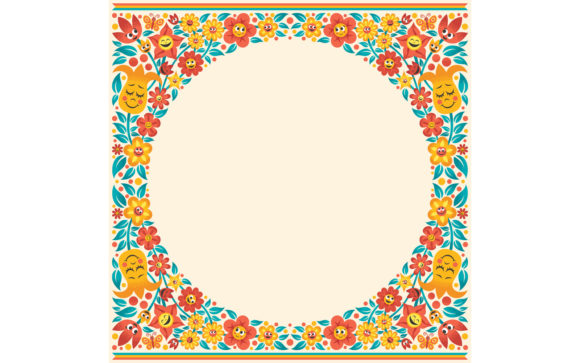
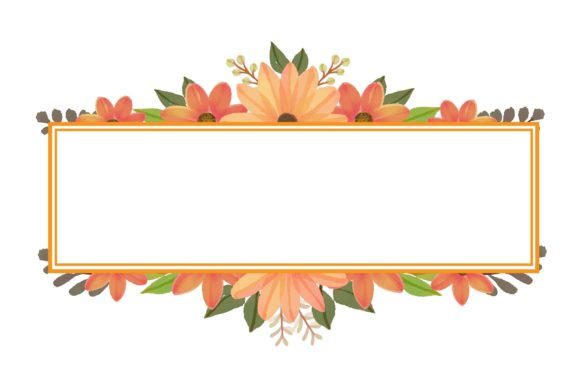
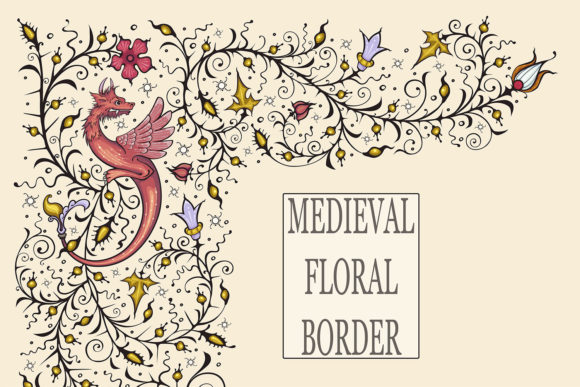
A Medieval Floral Border refers to the intricate, often symmetrical, frameworks of floral and botanical elements that adorned the margins of manuscripts, prayer books, and illuminated texts from the Middle Ages. These borders were not mere embellishments; they served to frame content, guide the reader’s eye, and often symbolically complement the text within—whether depicting local herbs, symbolic roses, or intertwined vines representing life and connection. Characterized by a vintage color palette of deep ochres, muted greens, rich blues, and earthy reds, these designs frequently coexisted with other elements like ancient book miniatures, mythical creatures, and heraldic symbols, creating a holistic magic manuscript aesthetic.
In contemporary terms, a Medieval Floral Border is a vector or high-resolution graphic asset that recreates this historical intricacy for modern use. It provides a ready-made framework of artistry that can transform a simple layout into something resembling an ancient book miniature. When combined with elements like a dragon or other iconography from legend, it becomes a powerful tool for branding, storytelling, and visual design that stands apart from generic, stock imagery.
Why Medieval Motifs Resonate in Modern Markets
The resurgence of interest in these designs is not nostalgic coincidence. It aligns with several broader trends across creative, business, and consumer spheres.
The Craving for Authenticity and Craft
In an age of mass-produced digital content, audiences and clients increasingly value work that feels hand-crafted, unique, and layered with meaning. A Medieval Floral Border, by its very nature, suggests a level of care and detail that cuts through the noise. For entrepreneurs and marketers, using such assets in branding, packaging, or website design can signal quality, heritage, and a commitment to artistry. It moves beyond the sterile and into the storied.
The Blending of Analog and Digital Sensibilities
Technology enables the distribution and application of these styles, but the aesthetic celebrates pre-digital craftsmanship. High-resolution Transparent PNG files and scalable EPS format vector files allow this ancient art to be applied seamlessly to websites, mobile apps, print media, and merchandise. This fusion satisfies a modern workflow need: efficiency and scalability, without sacrificing the visual depth and texture that audiences find compelling.
Narrative-Driven Design
Every successful brand and creative project today tells a story. The Medieval Floral Border is inherently narrative. It evokes tales of magic manuscripts, forgotten lore, and epic journeys. Incorporating such a border—perhaps alongside a dragon illustration—immediately sets a tone of fantasy, history, exploration, or mystery. For game developers, book publishers, fantasy brands, and even luxury goods seeking an enigmatic aura, these elements are practical shortcuts to building a rich visual world.
Practical Applications and Observations
The utility of a comprehensive asset pack, containing multiple file formats like JPG, EPS, and PNG, each at high resolutions (not less than 5000 px on the maximum side), is significant for professionals.
- Branding & Identity: A floral border can frame a logo, certificate, or product label, granting it an instant heritage feel. The vintage color palette ensures cohesion without overpowering core brand colors.
- Digital & Print Publications: Website headers, eBook covers, promotional posters, and event invitations gain gravitas and decorative appeal. The transparent PNG files allow for layering over complex backgrounds.
- Product Design & Merchandise: From apparel graphics to specialty packaging, these borders add value and perceived craftsmanship. The vector files allow for precise editing and adaptation to different product shapes and sizes.
- Content Creation & Social Media: For freelancers and content creators, such assets provide a unique template for creating standout visuals for blogs, videos, or social posts that defy generic templates.
Observations from the field indicate that projects utilizing these thematic elements often achieve higher engagement in sectors like fantasy literature, indie gaming, artisan food and beverage, and cultural event marketing. They provide a complete decorative design system rather than a solitary icon, enabling a consistent aesthetic across a campaign.
Connecting to Larger Developments: The Return of the Ornate
The relevance of the Medieval Floral Border is part of a larger movement rejecting the austerity of earlier digital design paradigms. We are witnessing a return to ornamentation, maximalism in certain contexts, and designs that engage the viewer with complexity and beauty. This aligns with developments in technology where high-resolution displays and advanced printing techniques make such detail not only possible but impactful.
Furthermore, in lifestyle and consumer trends, there is a growing appreciation for "slow design"—items and visuals that feel considered and timeless, opposite to fast, disposable culture. Implementing a design element steeped in centuries of tradition directly connects to this preference. It meets the changing expectation that digital goods, too, should possess character and backstory.
Forward-Looking Integration
Looking ahead, the integration of such historical motifs with emerging technologies like augmented reality (AR) presents intriguing possibilities. An ancient book miniature style border could frame an AR experience, blending physical artifact sensibilities with digital interaction. The assets themselves, provided in versatile, high-quality formats, are ready to be adapted for these new mediums, ensuring that the artisan spirit of the past can enhance the innovations of the future.
In conclusion, the Medieval Floral Border is more than a decorative relic. It is a practical, potent design resource that answers contemporary demands for authenticity, narrative, and crafted detail. By providing a bridge between the meticulous art of the manuscript illuminators and the scalable needs of today’s creators, it enables professionals across industries to design with depth, distinction, and a touch of magic.